

7 Steps to Start TMS Therapy for OCD Treatment

Last Updated: October 25, 2026
Quick Summary
TMS therapy for OCD is a non-invasive brain stimulation treatment that uses magnetic pulses to activate specific brain circuits involved in obsessive-compulsive disorder. It is FDA-cleared and works best for people with treatment-resistant OCD who have not responded adequately to medication or therapy.
TMS therapy for OCD typically involves 20 to 30 sessions over 4 to 6 weeks, Monday through Friday.
A 2026 systematic review concluded that TMS probably improves clinical response in OCD and may improve symptom severity.
Common side effects include scalp tenderness, mild headache, and neck or jaw tension; serious side effects like seizures are rare.
Ideal candidates have failed at least two adequate trials of OCD medication and completed psychotherapy without sufficient relief.
Combining TMS with exposure and response prevention therapy often produces better results than either approach alone.
Table of Contents
Understanding TMS Therapy for OCD Treatment
How Magnetic Stimulation Targets Brain Circuits in OCD
FDA Clearance and Clinical Evidence
Who Is a Candidate for TMS Therapy for OCD
What a TMS Treatment Protocol for OCD Involves
Step 1: Assessment and Eligibility Review
Step 2: Mapping and Coil Positioning
Step 3: Stimulation Pattern and Session Structure
Step 4: Session Scheduling and Course Length
Step 5: Progress Monitoring and Follow-Up
What to Bring and How to Prepare
TMS Effectiveness for OCD and Realistic Outcomes
TMS Side Effects for OCD and Safety Screening
Serious Risks and Contraindications
Questions to Raise During Screening
TMS vs ERP for OCD: Combining Approaches
Scheduling Your TMS Consultation
Frequently Asked Questions
Understanding TMS Therapy for OCD Treatment
TMS therapy for OCD is a non-invasive brain stimulation treatment that uses magnetic pulses to activate specific brain circuits involved in obsessive-compulsive disorder.
Unlike medication or talk therapy alone, TMS works by sending targeted magnetic pulses through a stimulation coil placed on your scalp. These pulses reach deep brain regions that control the obsessive thinking and compulsive behaviors characteristic of OCD.
How Magnetic Stimulation Targets Brain Circuits in OCD
The brain circuits involved in OCD operate differently than they do in people without the disorder. Certain regions become overactive, driving the cycle of obsessions and compulsions.
Research shows that TMS probably improves clinical response in OCD according to a 2026 systematic review, though scientists continue to refine which brain targets work best. The prefrontal cortex and supplementary motor area are two regions commonly targeted in OCD treatment protocols.
Here's what happens at the cellular level:
Magnetic pulses stimulate neurons in targeted brain regions
This activity can reduce overactive neural pathways driving obsessions
Repeated stimulation over weeks may help restore balanced brain function
FDA Clearance and Clinical Evidence
The FDA cleared TMS for major depression in 2008 and has since expanded its recognition to other conditions. For OCD specifically, a 2026 evidence review concluded that TMS probably improves clinical response in OCD and may improve symptom severity, though the review also noted that further research is needed to establish optimal brain targets and protocols.
Real-world data provides practical insight into outcomes.
What does "response" mean in practice?
Full response: Significant reduction in obsessions and compulsions
Partial response: Noticeable improvement but symptoms remain
No response: Minimal or no change in OCD symptoms
Establishing a clear clinical role for TMS in OCD depends on evidence of significant efficacy and reliable symptom reduction, according to clinical experts. The research base continues to grow, with ongoing studies examining protocol variations and patient selection criteria.
Who Is a Candidate for TMS Therapy for OCD
TMS works best for people with treatment-resistant OCD, those who haven't responded adequately to medication or therapy. If you've tried multiple antidepressants or spent months in exposure and response prevention (ERP) therapy without sufficient relief, you may be a strong candidate.
Ideal candidates typically share these characteristics:
Failed to respond to at least two adequate trials of OCD medication
Completed a course of psychotherapy like ERP without adequate improvement
Have moderate to severe OCD symptoms affecting daily functioning
Your doctor will screen you for conditions that make TMS unsuitable. These include certain types of brain implants, metal in the head (except dental work), or a history of seizures.
What a TMS Treatment Protocol for OCD Involves
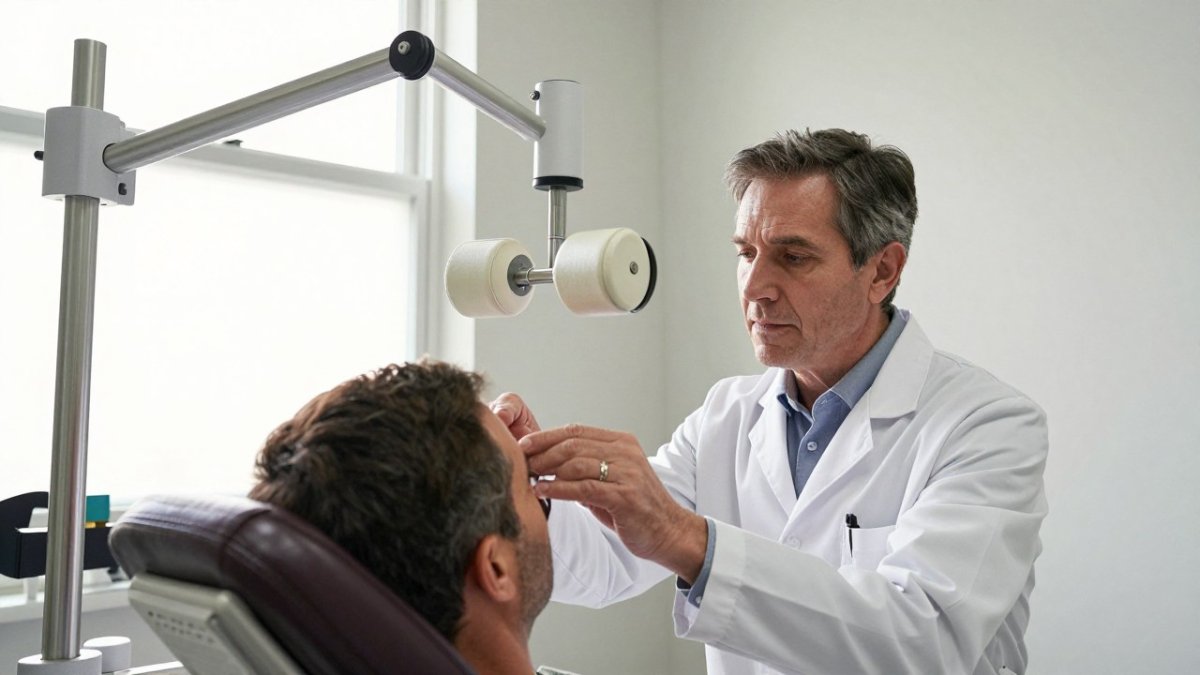
A TMS treatment protocol for OCD is not a single universal regimen. What follows is the practical sequence most treatment centers follow, along with the main points of variation you should expect to discuss. Learn what happens during a TMS session step-by-step.

Step 1: Assessment and Eligibility Review
Before any stimulation, a clinician confirms the diagnosis, reviews your treatment history, and screens for contraindications. This typically includes a structured clinical interview, a review of prior medication trials and psychotherapy (especially exposure and response prevention, or ERP), a symptom severity measure such as the Yale-Brown Obsessive Compulsive Scale (Y-BOCS), and a medical and safety questionnaire. The safety review covers implanted devices, metal in or near the head, seizure history, pregnancy status, and current medications.
Step 2: Mapping and Coil Positioning
OCD protocols target specific cortical regions, most commonly the dorsolateral prefrontal cortex (DLPFC) or the supplementary motor area (SMA), and some research protocols have examined other targets. The clinician locates the target using a measurement-based approach or, at some centers, MRI-guided neuronavigation. Correct coil placement matters because the magnetic field falls off with distance; a few millimeters can change which circuits are engaged.
Step 3: Stimulation Pattern and Session Structure
Protocols vary in stimulation pattern. Common approaches include:
High-frequency (excitatory) stimulation of the DLPFC, often delivered in short trains with rest intervals.
Low-frequency (inhibitory) stimulation, sometimes used over areas associated with excessive activity.
Accelerated or intermittent theta-burst-style patterns, which deliver more pulses in less time and are used in some research and clinical settings.
A typical session lasts about 20 to 40 minutes of chair time, with the stimulation itself taking roughly 10 to 30 minutes depending on the pattern. You sit in a reclined chair, remain awake, and can read or listen to music. The coil produces a tapping sensation and a clicking sound, and ear protection is usually offered.
Step 4: Session Scheduling and Course Length
Most OCD protocols involve sessions on weekdays, Monday through Friday, over roughly 4 to 6 weeks, for a total commonly in the range of 20 to 30 sessions. Some protocols use more sessions, and accelerated protocols compress treatment into fewer days with multiple sessions per day. Your clinician will specify the schedule before you start so you can plan transportation and time off. There is no downtime after a session, and most people return to work or school the same day.
Step 5: Progress Monitoring and Follow-Up
Response is usually tracked with a symptom scale such as the Y-BOCS at baseline, mid-course, and end of course, plus your own report of obsessions, compulsions, and daily functioning. A common pattern is to reassess around the midpoint and again at the end of the planned course. If there is no meaningful signal by the end of an adequate course, the clinician may discuss adjusting the target, changing the stimulation pattern, or reconsidering the treatment plan.
Pro Tip Ask your clinician three questions before starting: Which target and stimulation pattern will you use, and why? How many sessions are planned, and how will we measure response? What is the plan if I do not respond by the end of the course?
What to Bring and How to Prepare
Bring a current medication list, records of prior psychiatric treatment, any recent imaging, and your insurance information. Arrange transportation for the first visit if you are unsure how you will feel, though most people drive themselves afterward. Avoid alcohol before sessions, and tell the clinician about any new medications, implants, or medical procedures during the course.
TMS treatment for OCD follows a structured sequence of steps, though protocols vary by center and individual needs.
Step | What Happens | Duration or Frequency |
Assessment and Eligibility Review | Clinician confirms diagnosis, reviews treatment history, screens for contraindications | Initial visit |
Mapping and Coil Positioning | Clinician locates target brain region using measurement or MRI-guided neuronavigation | Longer on first visit |
Stimulation Pattern and Session Structure | Magnetic pulses delivered in chair while awake; patient can read or listen to music | 20 to 40 minutes per session |
Session Scheduling and Course Length | Sessions Monday through Friday over 4 to 6 weeks | 20 to 30 sessions total |
Progress Monitoring and Follow-Up | Response tracked with symptom scale at baseline, midpoint, and end of course | Throughout and after treatment |
TMS Effectiveness for OCD and Realistic Outcomes
TMS effectiveness for OCD varies by individual. Not everyone responds.
Response typically emerges gradually. Don't expect dramatic changes in week one. Most patients who respond see their first improvements between weeks 2 and 4. Full benefits often take the entire treatment course to manifest.
Factors that influence your likelihood of response include the specific brain targets used, stimulation frequency, your OCD subtype, and prior treatment history.
TMS Side Effects for OCD and Safety Screening
TMS side effects for OCD are generally mild and temporary, but the safety picture deserves a fuller look than a short list of complaints. The most common issue is scalp discomfort or pain at the coil site, which usually lessens over the first week as you adjust. Headache is also common and typically responds to over-the-counter pain relievers. Less common effects include neck or jaw tension from sitting in the chair, temporary hearing sensitivity (ear protection is standard), and brief twitching of facial or scalp muscles during pulses.
Common side effects include:
Scalp tenderness, discomfort, or a burning sensation at the coil site
Mild to moderate headache
Neck, jaw, or facial muscle tension
Serious Risks and Contraindications
Serious side effects are rare but real. Understand TMS therapy side effects, how long they last, and what to expect during treatment. The most serious is a seizure, which occurs in well under 0.1% of treatments when safety guidelines are followed. The risk is higher with certain medications, sleep deprivation, alcohol use, or a personal or family history of seizures.
Safety screening before treatment typically examines:
Implanted devices: cochlear implants, deep brain stimulators, vagus nerve stimulators, spinal cord stimulators, and some cardiac devices such as pacemakers or defibrillators. Some implants are contraindications; others require device-specific guidance.
Metal in or near the head: aneurysm clips, shunts, electrodes, and some dental hardware. Dental fillings and braces are generally not a problem, but tell the clinician about any metal.
Seizure history: personal or family history of epilepsy or seizures, and medications that lower seizure threshold.
Watch Out Tell your clinician immediately if you experience a severe headache, vision changes, hearing loss, a seizure, or a new manic or unusually elevated mood during or after treatment. Do not continue sessions without medical review.
Questions to Raise During Screening
A good screening is a conversation, not a checklist. Ask: Is any device or metal in my body a contraindication for this specific coil and protocol? What is my seizure risk given my medications and history? How will you monitor for mood changes, especially if I have bipolar disorder? What should I do if I miss sessions or need to pause treatment?
TMS vs ERP for OCD: Combining Approaches
Many patients wonder whether to choose TMS or ERP (exposure and response prevention), the gold-standard talk therapy for OCD.
ERP focuses on behavior change. You gradually expose yourself to feared situations while resisting the urge to perform compulsions.
The combination approach works like this:
Start TMS to reduce the intensity of obsessions
Simultaneously engage in ERP therapy while your brain is more responsive
The reduced obsessive drive makes ERP exposure feel more manageable
TMS therapy does not replace talk therapy, the most effective treatment combines both approaches.
Some patients benefit from TMS alone. Others need the combined approach.
Scheduling Your TMS Consultation
Taking the first step toward OCD relief starts with a consultation. Visit our Depression page to schedule your TMS consultation.
To schedule, learn how to book a TMS consultation with our step-by-step guide. Our team will walk you through the process and address any concerns before your first session.
Bring to your consultation:
A list of medications you're currently taking
Records from prior psychiatric treatment if available
Any recent medical imaging or test results
Newtown TMS offers free consultations so you can explore whether TMS is right for you without financial pressure. Dr.
Frequently Asked Questions
How does TMS therapy for OCD actually work in the brain?
TMS uses magnetic pulses to stimulate specific brain regions involved in OCD, such as the prefrontal cortex and supplementary motor area. These magnetic fields activate neural circuits that regulate obsessive thinking and compulsive behavior. By targeting these areas, TMS helps restore normal brain activity patterns and reduce the severity of obsessions and compulsions. The exact mechanism is still being refined, but clinical studies show that this non-invasive stimulation can interrupt the neural loops that drive OCD symptoms.
What is the difference between TMS therapy for OCD and exposure and response prevention (ERP)?
TMS is a brain stimulation treatment that works at the neurological level to reduce OCD symptoms, while ERP is a behavioral psychotherapy that teaches patients to resist compulsions when exposed to triggering thoughts. TMS and ERP target OCD through different mechanisms: TMS modulates brain activity directly, whereas ERP relies on learning and habit change. Many patients benefit from combining both approaches, TMS can reduce symptom severity while ERP helps patients build new behavioral patterns. Your treatment plan should be tailored to your specific needs and response to each approach.
Is TMS FDA-cleared for OCD treatment?
Yes, the FDA has cleared TMS devices for OCD treatment. Deep TMS (dTMS) received FDA clearance for obsessive-compulsive disorder, recognizing it as a non-invasive treatment option for patients who have not responded adequately to medication or psychotherapy. However, FDA clearance means the device is safe and effective for this indication, it does not guarantee that every patient will respond or achieve complete symptom relief. Clinical evidence supports TMS for OCD, though individual outcomes vary based on symptom severity, treatment history, and other factors.
What should I expect in terms of cost and insurance coverage for TMS therapy?
The cost of a full TMS course depends on the number of sessions, the specific protocol used, and your insurance coverage. Some insurance plans cover TMS for OCD, though many require prior authorization and documentation of failed prior treatments. Coverage and out-of-pocket costs vary significantly by plan and provider. Contact Newtown TMS directly for a free consultation to discuss your insurance options, current pricing, and financing arrangements. We work with most major insurance carriers to help make treatment accessible.
If you've struggled with OCD despite trying multiple treatments, TMS therapy offers a scientifically-supported path forward. Newtown TMS combines 100% physician-administered TMS with personalized talk therapy to address the root causes of your symptoms. Call us today for your free consultation and take the first step toward reclaiming your life from OCD.
Call Newtown TMS for a free consultation
Add newtowntms.com as a preferred source on Google →


Comments