

TMS Therapy Safety for Adults: What You Need to Know

Table of Contents
How TMS Therapy Works and What Treatment Involves
TMS Therapy Side Effects: What to Expect
Common side effects during and after sessions
Rare but serious risks, including seizure risk
How long side effects typically last
TMS Safety Screening: Pre-Treatment Assessment
Medical history and risk factor evaluation
Metal implants and contraindications
TMS Contraindications: Who Should Not Have Treatment
TMS Treatment Session Length and What Happens During Each Visit
Typical session duration and frequency
Recovery time and return to daily activities
TMS Safety Compared with Antidepressant Medication
Your Adult Safety Checklist Before Starting TMS
Medication, alcohol, and sleep considerations
What to do if side effects occur during treatment
Frequently Asked Questions
Last Updated: October 11, 2026
How TMS Therapy Works and What Treatment Involves
Transcranial magnetic stimulation, or TMS therapy, is a non-invasive brain stimulation treatment that uses magnetic pulses to activate nerve cells in the brain, with tms therapy safety for adults depending on proper screening and clinician expertise.
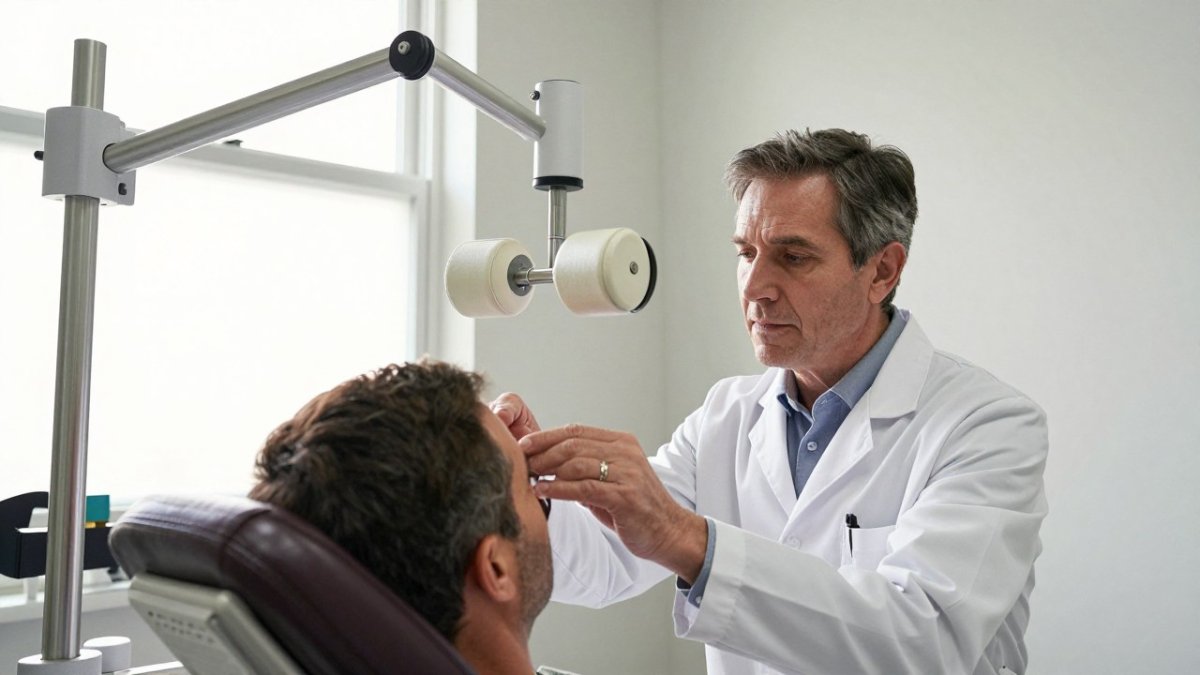
The procedure itself is straightforward. You sit in a comfortable treatment chair, fully awake and alert. The clinician positions the coil on your scalp, typically over the left prefrontal cortex.
Unlike antidepressant medications, TMS therapy doesn't enter your bloodstream. It works directly on brain circuitry. For adults with treatment-resistant depression, those who haven't responded to multiple antidepressants, TMS offers a different mechanism of action.
The treatment protocol typically spans 4 to 6 weeks, though this varies based on your individual response and clinical needs. Each session lasts 30 to 40 minutes.
TMS Therapy Side Effects: What to Expect
Common side effects during and after sessions
Most people tolerate TMS therapy well. The most common side effects are mild and temporary. During or immediately after a treatment session, you might experience scalp discomfort or a headache. These typically resolve within hours.
These reactions happen because the magnetic pulses activate muscles and nerves on the scalp. They're not signs that something is wrong. They're expected responses to the stimulation itself. Many patients find that side effects decrease after the first week or two as their body adapts to the treatment.
Fatigue or mild mood changes can occur after a session. Some people feel energized; others feel slightly tired. This is normal and temporary. Over-the-counter pain relievers can help with headaches if needed, though most patients don't require them.
Rare but serious risks, including seizure risk
Seizure is the most serious potential risk of TMS therapy, though it's rare. The estimated seizure risk is very low. Your seizure risk depends on several factors: your personal or family history of seizures, current medications, sleep deprivation, and underlying neurological conditions.
This is why TMS safety screening is so important. Before starting treatment, your clinician will evaluate your medical history and seizure threshold. If you have active epilepsy or poorly controlled seizure disorder, TMS may not be appropriate for you.
Other rare serious risks include hearing damage if protective equipment isn't used, or rarely, mania or hypomania in patients with bipolar disorder. These outcomes are uncommon and largely preventable through proper screening and clinician expertise.
How long side effects typically last
Most common side effects fade within minutes to hours after your session ends. Scalp discomfort and tapping sensations stop as soon as the coil is removed. Headaches usually resolve within a few hours. If they persist, they typically improve within 24 hours.
For the first few sessions, side effects may feel more pronounced because your body is adjusting. By week two or three, many patients report fewer or milder reactions. Some experience virtually no side effects after the initial adjustment period.
Persistent side effects, lasting days or worsening over time, are uncommon. If this happens, alert your clinician. They may adjust the treatment protocol or coil placement to improve your comfort.
Pro Tip Keep a simple log of side effects for your first three sessions. Note what you felt, when it started, and when it resolved. This helps your clinician optimize your treatment and reassures you that reactions are temporary and expected.
TMS Safety Screening: Pre-Treatment Assessment
Medical history and risk factor evaluation
Before your first TMS treatment session, you'll complete a detailed medical history. Your clinician will ask about previous seizures, head injuries, neurological conditions, and current medications. Be honest about everything, this information directly affects your safety.
Your clinician will also ask about substance use, sleep patterns, and recent major life stressors. Sleep deprivation increases seizure risk. Certain medications lower seizure threshold. Alcohol and some recreational drugs interact unpredictably with TMS. These factors matter for your treatment plan.
Mental health history is equally important. If you have bipolar disorder, TMS requires careful monitoring because it can sometimes trigger manic episodes. If you have psychosis or active suicidal ideation, your clinician may recommend additional safeguards or defer treatment until you're more stable.
Metal implants and contraindications
Metal implants are a critical safety concern. Magnetic pulses can heat or move metal objects near the brain. Certain implants absolutely contraindicate TMS: cochlear implants, ferromagnetic aneurysm clips, and metallic foreign bodies in the eye.
Other implants require careful evaluation. Pacemakers and implantable cardioverter-defibrillators (ICDs) were once considered absolute contraindications, but newer devices and protocols have made TMS possible for some patients with these devices. Dental work, braces, and fillings are not problems, they're non-ferromagnetic.
During your screening, your clinician will ask about all implants and prior surgeries. If you're uncertain whether an implant is safe, bring medical records or imaging reports. Your clinician can review them with a radiologist if needed. This takes time but ensures your safety.
TMS Contraindications: Who Should Not Have Treatment
Certain conditions make TMS unsafe or inappropriate. Active, untreated seizure disorder is the primary contraindication. If you have epilepsy and seizures are poorly controlled despite medication, TMS is not recommended.
Ferromagnetic implants in or near the brain prevent TMS. These include certain aneurysm clips, metallic foreign bodies, or older cochlear implants.
Severe, active substance use disorder can complicate TMS safety. Alcohol and some drugs lower seizure threshold or interact with medications used during TMS.
Uncontrolled bipolar disorder requires caution. TMS can trigger manic or hypomanic episodes in some patients.
Acute suicidal crisis may warrant hospitalization or intensive outpatient care before starting TMS. Once you're more stable, TMS can be part of your recovery plan.
Watch Out Do not hide information about implants, seizure history, or substance use during screening. Incomplete disclosure puts you at real risk. Your clinician needs the full picture to keep you safe.
TMS Treatment Session Length and What Happens During Each Visit
Typical session duration and frequency
A standard TMS treatment session lasts 30 to 40 minutes from arrival to discharge. The actual stimulation time, when the coil is active, is usually 20 to 30 minutes. The rest is setup, positioning, and monitoring.
Most protocols call for five sessions per week, Monday through Friday, for 4 to 6 weeks. This is the standard acute treatment phase. Some clinicians use different schedules: fewer sessions per week over a longer period, or more intensive protocols over shorter timeframes. Your clinician will recommend the protocol best suited to your condition and schedule.

Recovery time and return to daily activities
Recovery from TMS is immediate. You can drive yourself home, return to work, or resume normal activities right after your session. There's no sedation, no downtime, and no cognitive impairment.
Some people feel slightly tired or energized after treatment. A small number report mild headache or scalp tenderness. These don't prevent you from functioning. You can eat, work, exercise, or spend time with family the same day.
If you experience a headache, over-the-counter pain relievers work fine. If you feel unusually fatigued, rest is fine, but it's not required. Most patients maintain their regular work schedule throughout the entire treatment course.
Key Takeaway You fit it into your schedule like any other medical appointment, in and out, back to your day.
TMS Safety Compared with Antidepressant Medication
TMS and antidepressants work differently and carry different risk profiles. Antidepressants are systemic, they circulate throughout your body and affect multiple neurotransmitter systems. This can cause weight gain, sexual dysfunction, sleep disruption, and other side effects.
TMS is localized. It stimulates specific brain regions without entering your bloodstream. It doesn't cause weight gain, sexual side effects, or systemic metabolic changes.
However, antidepressants have decades of long-term safety data. TMS is a more recent treatment, so long-term outcome studies are still accumulating.
The key difference: antidepressants work through chemistry, TMS works through electrical stimulation. Some people respond better to one than the other. Some benefit from both, TMS combined with medication, or TMS followed by medication maintenance.
Your Adult Safety Checklist Before Starting TMS
Medication, alcohol, and sleep considerations
Before starting TMS therapy, review your medications with your clinician. Some drugs interact with TMS or lower seizure threshold. Benzodiazepines, stimulants, and certain antidepressants require discussion. Don't stop medications without guidance, but do disclose everything you're taking.
Alcohol and substance use deserve honest conversation. Heavy alcohol use lowers seizure threshold. If you drink regularly, your clinician needs to know. Recent cocaine, methamphetamine, or other stimulant use increases seizure risk.
Sleep matters. Sleep deprivation increases seizure risk. Before starting TMS, aim for consistent sleep: 7 to 9 hours nightly. If you have untreated sleep apnea or insomnia, address it first if possible.
Caffeine in moderation is fine. You don't need to eliminate it, but excessive intake (more than 400 mg daily, roughly 4 cups of coffee) can lower seizure threshold.
What to do if side effects occur during treatment
If you experience a side effect during a session, tell your clinician immediately. They can pause treatment, adjust the coil position, or modify the stimulation parameters.
After a session, if side effects persist or worsen, contact your clinician the same day. Mild headache or scalp soreness typically doesn't require intervention.
If you experience a seizure, the rarest serious complication, emergency responders should be called immediately. Your clinician's office has seizure protocols.
For persistent side effects, your clinician can adjust your treatment. Sometimes spacing sessions differently, using a different coil position, or modifying stimulation intensity reduces discomfort while maintaining effectiveness.
Situation | Action | When |
Mild headache after session | Over-the-counter pain reliever, rest | At home, same day |
Persistent scalp soreness | Contact clinician, may adjust coil position | Within 24 hours |
Severe pain or neurological symptoms | Call clinician or seek emergency care | Immediately |
Suspected seizure | Call 911, notify TMS clinic | Immediately |
Side effects worsening over sessions | Schedule appointment with clinician | Within 48 hours |
TMS therapy safety for adults depends on honest screening, proper clinician expertise, and your active participation in monitoring your response. At Newtown TMS, we combine 100% physician-administered care, led by Dr.
Frequently Asked Questions
Is TMS therapy safe for adults?
TMS therapy is FDA-cleared and non-invasive, with a strong safety profile when administered by trained clinicians. The most common side effects are mild scalp discomfort and headache. Serious risks are rare; seizure risk is very low. Safety depends on proper screening to identify contraindications like certain metal implants or untreated seizure disorders. Adults with treatment-resistant depression who have failed multiple antidepressants are often good candidates. A qualified physician should evaluate your medical history to determine if TMS is appropriate for your specific situation.
What are the most common TMS therapy side effects?
The most frequently reported side effects include scalp discomfort or pain at the treatment site, headache, facial muscle twitching, eye discomfort, and toothache. These typically occur during or immediately after treatment and resolve within minutes to hours. Cognitive effects like difficulty concentrating are uncommon but possible. Most adults tolerate TMS well, and side effects tend to decrease as the body adjusts over the first few sessions. If side effects become bothersome, your clinician can adjust the stimulation intensity or treatment protocol to improve comfort while maintaining therapeutic benefit.
What happens during TMS safety screening?
Safety screening includes a detailed medical history covering seizure disorders, epilepsy, head injuries, brain tumors, and metal implants in the head or neck. Your clinician will ask about current medications, substance use, and sleep patterns, as these affect seizure threshold. A physical examination may include assessing motor cortex function. Screening also covers psychiatric history, including any family history of seizure disorders. This comprehensive evaluation identifies risk factors and ensures TMS is safe for you. The screening process typically takes 30-60 minutes and is essential for protecting your safety during treatment.
How long is a typical TMS treatment session?
A standard TMS treatment session lasts 30-40 minutes, including time for positioning and administration of the magnetic pulses. The actual stimulation portion typically takes 3-10 minutes depending on the protocol used. Most patients attend sessions 5 days per week for 4-6 weeks, though this varies based on your specific treatment plan and response. After each session, you can return to normal activities immediately; there is no downtime or recovery period required. Some patients continue with maintenance sessions after the initial course to prevent relapse. Your clinician will discuss the exact timeline and frequency during your initial consultation.
Call Newtown TMS for a free consultation


Comments