

TMS Therapy vs Antidepressant Medication: A Complete Comparison

Table of Contents
How TMS Therapy Works
How Antidepressant Medication Works
Duration of TMS Treatment Sessions and Frequency
TMS Therapy Success Rates for Treatment-Resistant Depression
How to Identify SSRI Withdrawal Symptoms and Side Effects
Pros and Cons: TMS Therapy vs Antidepressant Medication
Combining TMS and Medication for Optimal Outcomes
Conclusion
Frequently Asked Questions
Last Updated: September 18, 2026
How TMS Therapy Works
Transcranial magnetic stimulation is a non-invasive procedure that uses magnetic pulses to stimulate specific neural circuits in the brain. Unlike antidepressant medication, which distributes chemical changes throughout your entire nervous system, TMS delivers localized electrical stimulation to the left dorsolateral prefrontal cortex (DLPFC), an area critical for mood regulation and emotional processing.
The mechanism: magnetic pulses to electrical currents
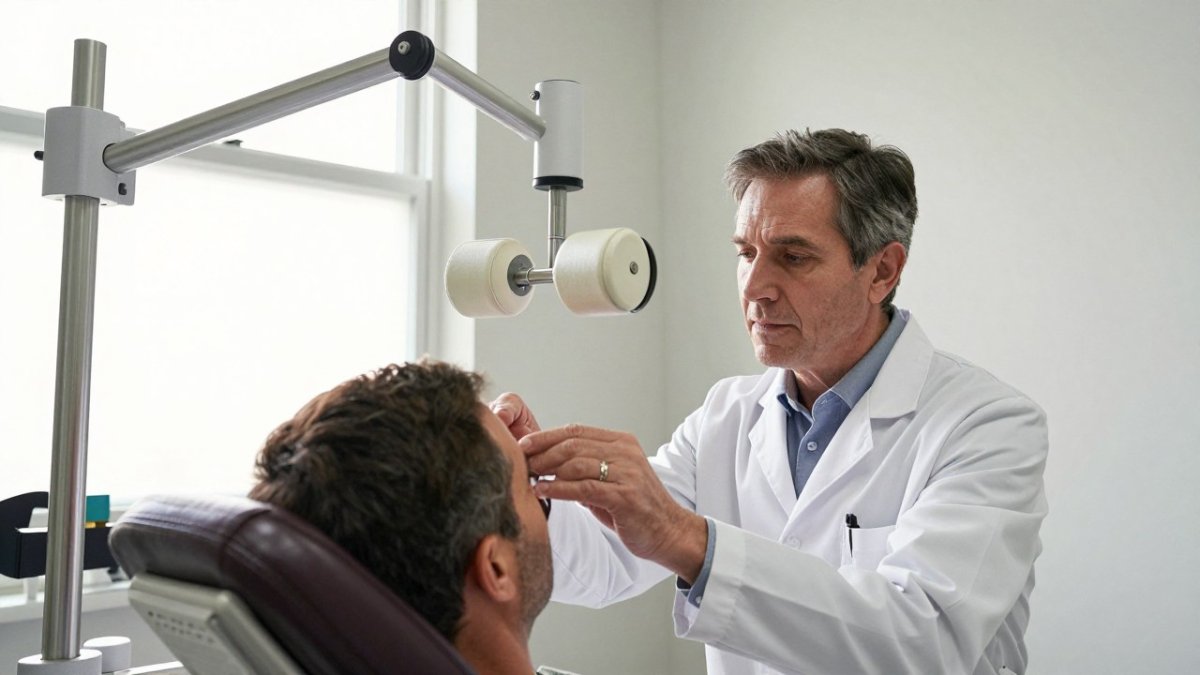
During a TMS session, a magnetic coil is placed against your scalp over the left forehead. The coil generates brief, repetitive magnetic pulses that pass painlessly through the skull and induce electrical currents in neurons beneath it. When the current reaches a threshold, it triggers action potentials, the electrical signals that allow neurons to communicate.
Unlike medication, which works systemically, TMS creates a localized effect. The magnetic field is strongest directly under the coil and weakens with distance, making precise coil placement critical, a few centimeters difference can change which neural circuits receive stimulation.
How it resets depression-related circuits
In depression, the DLPFC shows reduced activity and weakened connections to mood-regulating regions. Repeated TMS pulses strengthen these connections through long-term potentiation, repeated stimulation makes neural pathways "fire together and wire together," restoring communication between disconnected brain regions.
SSRIs increase serotonin availability by blocking reuptake at the synapse. TMS doesn't change neurotransmitter levels; it resets activity patterns and connectivity of specific neural circuits. This distinction explains why TMS can work for patients whose brains have stopped responding to chemical interventions.
Session structure and what you experience
Most sessions last 30-40 minutes. You remain fully awake in a comfortable reclined chair while the technician positions the magnetic coil against your scalp. The coil delivers repetitive pulses at 10-20 Hz (pulses per second), depending on your treatment protocol.
You'll hear a clicking sound and feel a tapping sensation on your scalp, similar to someone lightly tapping a pencil on your head. Mild scalp discomfort is common in early sessions but typically decreases as your scalp acclimates.
Unlike medication, TMS produces no systemic side effects: no weight gain, sexual dysfunction, sleep disruption, or emotional blunting. There's no drug in your bloodstream, no organ interactions, and no withdrawal symptoms. You can return to normal activities immediately after each session.

Pro Tip The precision of TMS is both a strength and a limitation. Because it targets a specific brain region, it works well for depression but may be less effective for conditions requiring broader brain changes. This is why TMS is FDA-approved specifically for major depressive disorder and treatment-resistant depression, not for all psychiatric conditions (the FDA).
How Antidepressant Medication Works
Antidepressant medications, particularly SSRIs, work by preventing serotonin reabsorption, allowing more of this neurotransmitter to remain active between nerve cells. This increased serotonin availability is thought to improve mood and reduce depression symptoms.
Different antidepressant classes target different neurotransmitters. SSRIs focus on serotonin; SNRIs affect both serotonin and norepinephrine. Older classes like tricyclics and MAOIs carry more side effects.
Medications typically take 4-6 weeks to show full effects. Many people need to try multiple medications before finding one that works, which is why treatment-resistant depression becomes frustrating after years of trial and error.
What works for one person may not work for another. Genetics, brain chemistry, and other medications all influence response. Some patients cycle through multiple antidepressants searching for the right fit.
Duration of TMS Treatment Sessions and Frequency
A typical TMS course involves five sessions per week for four to six weeks. Plan for 50-60 minutes total at the clinic per session, including check-in and positioning.
Mayo Clinic
Standard treatment schedule
Monday through Friday: One session per day
Saturday and Sunday: Off
Total weekly time commitment: 5 hours of clinic time
Total course duration: 4-6 weeks (20-30 sessions typical)
Session spacing: Must be at least 24 hours apart; most clinics schedule consecutive weekdays
Accelerated schedules (10 sessions per day over 5 days) are being studied but are not yet standard of care.
The lifestyle impact: clinic visits vs. pill adherence
Medication requires daily adherence at home, convenient and private but demanding perfect compliance. Missing doses reduces effectiveness, and many patients struggle with adherence over time.
TMS requires daily clinic visits for 4-6 weeks. You need flexible work scheduling, reliable transportation, consistent attendance (gaps reset progress), and childcare coverage if applicable.
For some patients, this structure is an advantage, it creates accountability and ensures consistent treatment. For others, especially those with inflexible work schedules, limited transportation, or caregiving demands, it's a barrier.
Medication requires no clinic visits after the initial prescription, you take it at home on your own schedule. This convenience is why medication remains first-line treatment. The trade-off: medication side effects persist 24/7 if they occur, whereas TMS side effects are limited to treatment sessions.
Maintenance and long-term commitment
After your initial 4-6 week course, most patients require maintenance TMS: one to two sessions weekly for weeks 7-12, then tapering based on symptom stability.
Some patients maintain stability on medication alone after TMS; others require ongoing maintenance.
Watch Out Missing TMS sessions or stopping treatment early significantly reduces effectiveness. If your work schedule makes daily appointments impossible, discuss flexible scheduling options (early morning, lunch-hour, or compressed schedules) with your provider before starting treatment. Some clinics offer limited evening or Saturday sessions, though availability varies.
Practical considerations for your schedule
TMS Therapy Success Rates for Treatment-Resistant Depression
Clinical trials show that roughly 50-60% of patients with treatment-resistant depression achieve significant symptom improvement with TMS, with about 30% reaching complete remission, important because these patients have already failed multiple antidepressant trials.
Key Takeaway TMS therapy success for treatment-resistant depression depends on proper patient evaluation, consistent session attendance, and realistic expectations. This isn't a quick fix, it's a structured, physician-administered course of treatment.
How to Identify SSRI Withdrawal Symptoms and Side Effects
If you stop an SSRI suddenly, withdrawal symptoms can emerge within days (Antidepressant discontinuation syndrome). These differ from side effects while taking the medication.
Common SSRI side effects while taking the medication:
Nausea and digestive upset
Sleep disturbance or vivid dreams
Sexual dysfunction
Weight gain or appetite changes
Emotional blunting or reduced motivation
Headaches or dizziness
SSRI withdrawal symptoms after stopping:
Flu-like aches and chills
Electric shock sensations in the head
Dizziness and balance problems
Anxiety and panic
Vivid dreams or nightmares
Irritability and mood swings
Brain zaps (sudden electrical sensations)
Pros and Cons: TMS Therapy vs Antidepressant Medication
Factor | TMS Therapy | Antidepressant Medication |
Systemic side effects | Minimal (localized scalp discomfort) | Common (weight gain, sexual dysfunction, sleep issues) |
Time to improvement | 2-6 weeks | 4-6 weeks minimum |
Withdrawal risk | None | Significant if stopped abruptly |
Treatment adherence | Requires daily clinic visits | Daily pills at home |
Effectiveness for treatment-resistant depression | 50-60% improvement rate | Already failed in resistant cases |
Long-term maintenance | Once or twice weekly sessions | Daily medication indefinitely |
Reversibility | Fully reversible; stop anytime | Requires tapering to discontinue |
TMS Therapy Pros:
No systemic side effects like weight gain or sexual dysfunction
Works for patients who've failed multiple medications
Reversible and non-pharmacological
Precise, physician-controlled treatment
Improvement often noticeable within weeks
No withdrawal symptoms when treatment ends
TMS Therapy Cons:
Requires daily clinic visits for 4-6 weeks
Not covered by all insurance plans
Requires commitment to consistent attendance
Mild scalp discomfort during sessions
Longer initial time investment than starting a pill
Antidepressant Medication Pros:
Convenient, take at home daily
Well-established and widely available
Lower upfront cost for many patients
Familiar to most doctors
Can combine with therapy easily
Antidepressant Medication Cons:
Significant side effects for many patients
Takes 4-6 weeks minimum to work
Often requires multiple trials to find the right drug
Withdrawal symptoms if stopped abruptly
Systemic effects on your entire body
May lose effectiveness over time
Combining TMS and Medication for Optimal Outcomes
Many patients benefit from combining TMS with continued antidepressant medication, a both/and strategy addressing depression through two different mechanisms.
Why combine them:
The practical approach:
Best For Patients who've tried multiple antidepressants without success but want to avoid the side effects of higher medication doses. Combining TMS with a lower dose of medication often produces better results than either treatment alone.
Conclusion
When considering tms therapy vs antidepressant medication, you're looking at fundamentally different approaches to treating depression. Medication adjusts your brain's chemistry through pharmacological intervention. TMS uses magnetic pulses to reset neural pathways through neuromodulation. For treatment-resistant depression, this distinction matters profoundly.
Frequently Asked Questions
How do I know if TMS therapy will work for me if I've already failed multiple antidepressants?
TMS therapy works through a different mechanism than medication, it stimulates neural pathways in the prefrontal cortex rather than adjusting neurotransmitter levels. Many patients with treatment-resistant depression who have not responded to multiple SSRIs and other antidepressants have found success with TMS. TMS therapy success rates for treatment-resistant depression show meaningful symptom remission in patients who previously failed pharmacological intervention. A psychiatric evaluation with a qualified TMS provider can assess your specific history and determine candidacy.
What are the main side effects of TMS therapy compared to SSRI antidepressants?
TMS typically causes mild, localized side effects like scalp discomfort or headache during treatment, which usually subside quickly. SSRIs often produce systemic side effects including sexual dysfunction, weight gain, nausea, and emotional blunting that can persist throughout treatment. Unlike antidepressants, TMS does not interact with other medications or cause withdrawal symptoms. Both treatments carry risks that should be discussed with your physician, but the side effect profiles differ significantly in type and duration.
How long does a full course of TMS therapy take, and can I continue working?
The duration of TMS treatment sessions typically ranges from 20-40 minutes, delivered 4-5 times per week for 4-6 weeks, though some protocols extend longer. Most patients continue working and managing daily responsibilities during treatment. Sessions are outpatient procedures with no downtime, allowing you to return to work or other activities immediately. Your provider can discuss flexible timing options during your consultation.
Can I use TMS therapy and antidepressant medication together?
Yes, many patients benefit from combining TMS and medication. This approach addresses both neuromodulation and neurotransmitter regulation, potentially accelerating symptom remission and improving long-term stability. Combining treatments may be particularly effective for patients with severe or complex depression. Your psychiatric evaluation will determine whether combination therapy is appropriate for your specific condition and treatment history.
Call Newtown TMS for a free consultation


Comments