

Are There Alternatives to Medication for Treatment-Resistant Depression?

Last Updated: October 28, 2026
Quick Summary
Alternatives to medication for treatment-resistant depression include TMS, ECT, ketamine, psychotherapy, and emerging options such as vagus nerve stimulation and psilocybin. A 2026 Mayo Clinic consensus panel recommends TMS, ketamine, and second-generation antipsychotic augmentation as leading strategies for treatment-resistant depression.
TMS uses focused magnetic pulses to stimulate underactive brain regions and requires no anesthesia.
ECT brings some symptom improvement in 70% to 90% of patients but can cause memory side effects.
Ketamine can lift symptoms within hours to days and is often given intravenously under supervision.
Psilocybin remains experimental and is still under study, not an established treatment.
Pair any alternative with structured therapy for durability, and let a clinician assess eligibility.
Table of Contents
TMS for Treatment-Resistant Depression: How Magnetic Stimulation Works
TMS vs ECT for Depression: Comparing Two Neuromodulation Options
Ketamine Treatment for Depression: Rapid Relief and Its Trade-Offs
Psychotherapy for Treatment-Resistant Depression: Why Talk Therapy Still Matters
Emerging Options: Vagus Nerve Stimulation, Psilocybin, and SAINT TMS
What Counts as Treatment-Resistant Depression?
Treatment-resistant depression (TRD) is depression that has not improved enough after at least two different antidepressant trials at adequate doses and duration. It is far more common than most people expect: research in the STAR*D study analysis found that 50% to 66% of patients with depression do not recover after initial treatment attempts.
If you have cycled through several medications without lasting relief, that is not a personal failure. It is a recognized clinical pattern, and it is exactly the point where alternatives to medication for treatment-resistant depression become worth discussing. For a closer look at one of them, see our guide to TMS for treatment-resistant depression.
TMS for Treatment-Resistant Depression: How Magnetic Stimulation Works
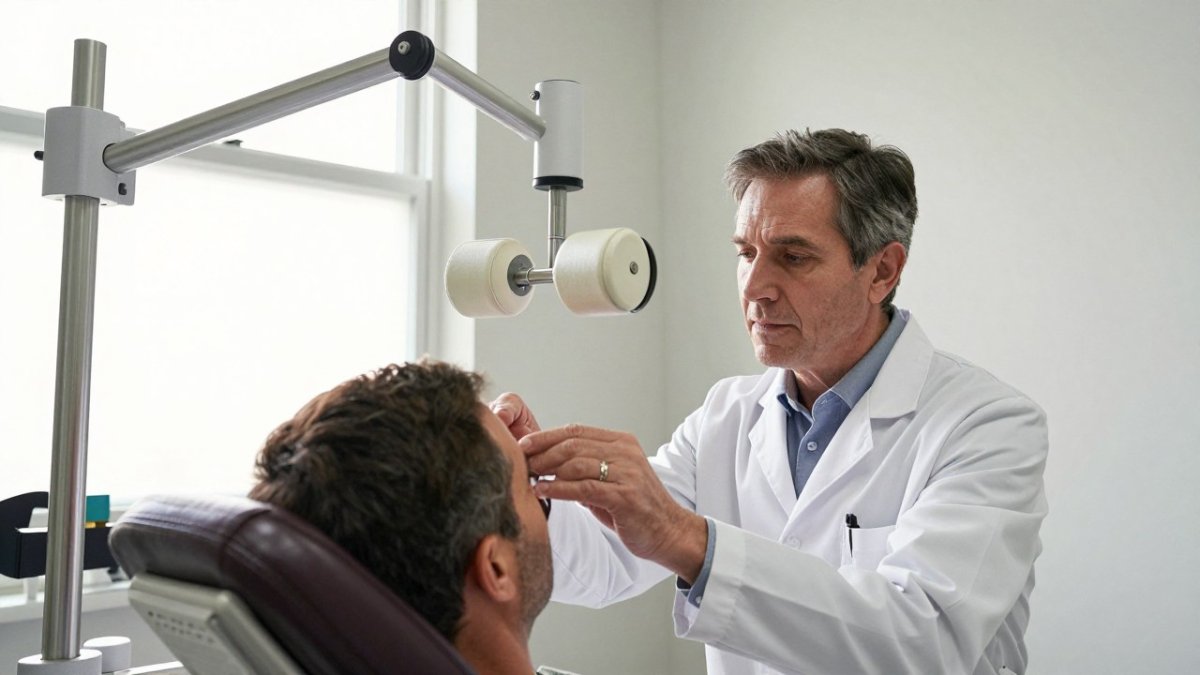
TMS for treatment-resistant depression uses focused magnetic pulses to stimulate underactive regions of the brain.

Johns Hopkins lists TMS among the treatment options for people who have not responded to standard antidepressants (Johns Hopkins Medicine overview). Watch out: TMS is not risk-free. Scalp discomfort and headaches during sessions are the most commonly reported effects, and anyone with certain metal implants near the head needs a careful screening first.
TMS vs ECT for Depression: Comparing Two Neuromodulation Options
TMS and ECT both stimulate the brain, but they differ sharply in intensity and recovery. ECT uses a brief electrical current under general anesthesia and remains highly effective: data cited by AHDB Online indicates 70% to 90% of patients see some symptom improvement. It also involves memory side effects and recovery time that TMS avoids.
Feature | TMS | ECT |
Anesthesia | None | General anesthesia |
Session length | Short outpatient visit | Procedure with recovery |
Typical side effects | Scalp discomfort, headache | Memory effects, confusion |
Best for | Patients wanting a non-invasive option | Severe or urgent cases |
The right choice depends on severity and medical history. If you are weighing TMS against medication instead, our comparison of TMS therapy vs antidepressants breaks down the trade-offs.
Ketamine Treatment for Depression: Rapid Relief and Its Trade-Offs
Ketamine treatment for depression can lift symptoms within hours to days rather than weeks, which is why it has moved into mainstream psychiatric practice. LifeStance's 2026 clinical update notes that ketamine-based therapies are now established for TRD and for reducing suicidal ideation, often given intravenously under supervision.
Ketamine is also a medication, so if your goal is a drug-free approach, it does not fit that definition.
Psychotherapy for Treatment-Resistant Depression: Why Talk Therapy Still Matters
Psychotherapy for treatment-resistant depression can be considered alongside other treatment options.
Our care combines TMS with personalized talk therapy. If you have done therapy before and found it unhelpful, read why TMS does not replace talk therapy and how the two fit together.
Emerging Options: Vagus Nerve Stimulation, Psilocybin, and SAINT TMS
Several approaches are being discussed for treatment-resistant depression.
Psilocybin is the most experimental of the group. Johns Hopkins Medicine describes it as a new frontier still under study, not an established treatment. These options are worth asking about, but availability and evidence vary widely.
Matching the Right Alternative to Your Situation
No single alternative wins for everyone. A 2026 consensus panel from the Mayo Clinic Depression Center recommends TMS, ketamine, and second-generation antipsychotic augmentation as leading strategies for TRD (PMC consensus review). Use this as a starting framework:
Want non-invasive, no anesthesia: TMS is usually the first conversation.
Need rapid relief or have suicidal thoughts: ketamine protocols deserve urgent discussion.
Severe symptoms or urgent safety concerns: ECT remains a strong option.
Want durability: pair any of the above with structured therapy.
Eligibility depends on your health history, and only a qualified clinician can advise on your individual case.
Call Newtown TMS for a Free Consultation
Deciding among alternatives to medication for treatment-resistant depression is hard to do alone, and you should not have to. Newtown TMS offers 100% physician-administered TMS led by Dr. John Woodall, a former Harvard faculty member, with no extra cost for physician-administered care and care that combines TMS with personalized talk therapy. Learn more about depression treatment at our clinic. One patient told us TMS "quite simply changed my life." If you are ready to get started, follow our step-by-step guide to booking a TMS consultation.
Frequently Asked Questions
What are the alternatives to medication for treatment-resistant depression?
Several non-medication options exist for treatment-resistant depression. A clinician can help you weigh which option fits your history, symptoms, and health profile.
Can TMS help when antidepressants have not worked?
A physician-administered program like the one at Newtown TMS combines magnetic stimulation with personalized talk therapy. Your eligibility depends on your medical history, so a consultation is the right first step.
What is the difference between TMS and ECT for depression?
Both are treatment options for depression. Discuss them with your doctor.
Is ketamine or esketamine an option for treatment-resistant depression?
Ketamine is a medication, so it is not a medication-free alternative. Discuss treatment options with a qualified clinician.
How long does TMS treatment for depression take?
A typical TMS course involves multiple sessions per week over several weeks, with each session lasting under an hour. The exact schedule depends on the protocol and your response. Many patients continue working during treatment because no anesthesia is needed. Newtown TMS can outline the expected timeline during a free consultation, including how sessions fit around a work schedule and when improvement is usually noticed.
If medication after medication has left you without relief, that is a signal to explore other paths, not to give up. Newtown TMS combines physician-administered TMS, care led by Dr. John Woodall, and integrated talk therapy to help you rebuild momentum. Get started with Newtown TMS and take the first step toward feeling like yourself again.


Comments